
AI Memory Shortages Drive Long-Term Supply Deals and Surge in Laptop Costs
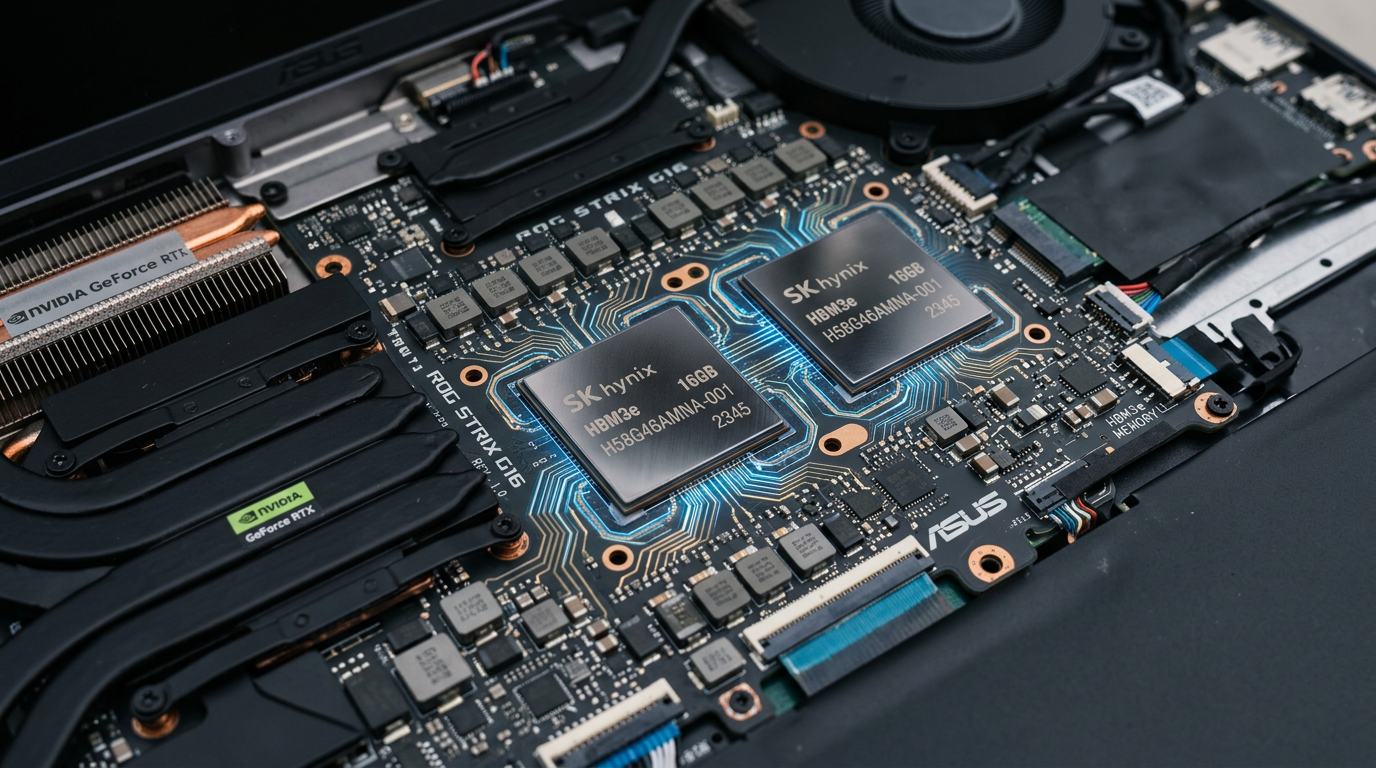
As of April 13, 2026, Samsung Electronics and SK Hynix are shifting toward five-year supply agreements with Microsoft and Google to secure critical components amid AI memoryflation laptop prices. This transition from short-term purchases to long-term contracts follows a global shortage of high-speed memory required for artificial intelligence infrastructure. The supply crunch is directly impacting the consumer market, with new flagship laptops seeing price increases of up to 25%.
SK Hynix is currently finalizing a multi-year DDR5 memory agreement with Microsoft that includes guaranteed price floors and advance payments. Simultaneously, Google is in negotiations for a broad five-year deal covering both DRAM and High Bandwidth Memory (HBM). These agreements involve multi-trillion won prepayments to ensure tech giants have priority access to limited inventory as data centers continue to prioritize Large Language Model (LLM) training.
The Impact of AI Memoryflation Laptop Prices
The cost of manufacturing high-end consumer electronics has risen sharply because DRAM now accounts for up to 30% of a flagship laptop's total bill of materials. This "memoryflation" has forced manufacturers to adjust retail pricing for 2026 models. For example, Samsung launched the Galaxy Book6 Pro with a 25% price increase, bringing the cost to approximately $2,420. The Galaxy Book6 Ultra models have seen even steeper climbs, with prices now ranging between $3,180 and $3,400.
Other major manufacturers are following this trend. LG increased the price of its LG Gram Pro AI 16-inch model by 18.9%, setting the retail price at approximately $2,160. These price hikes reflect the growing cost of integrating the high-speed memory necessary for on-device AI processing. Consequently, several electronics makers have begun reducing their 2026 shipment targets to account for lower consumer demand at these higher price points.
Beyond memory, the surge in AI infrastructure demand is causing secondary shortages in components like MLCCs (Multi-Layer Ceramic Capacitors). As tech companies prioritize guaranteed supply over price stability, the structural shift in procurement suggests that AI memoryflation laptop prices may remain elevated for the foreseeable future. Consumers looking for AI-capable hardware in 2026 should expect significantly higher entry costs compared to previous generations.
While we strive for accuracy, bytevyte can make mistakes. Users are advised to verify all information independently. We accept no liability for errors or omissions.
AI-generated image.
Related Articles
- Intel and Google Cloud Boost AI Performance with Xeon 6 and Custom Silicon
- IBM and Arm Join Forces for Dual-Architecture AI Hardware Innovation
- Anthropic TPU partnership: Scaling Compute or Just Costs?
✔Human Verified