
Groq neocloud pivot: AI chip pioneer raises $350M at $3.5B
Groq's neocloud pivot: AI chip pioneer raises $350M at a $3.5B valuation, half its 2025 peak, with Nvidia expected to join the round.
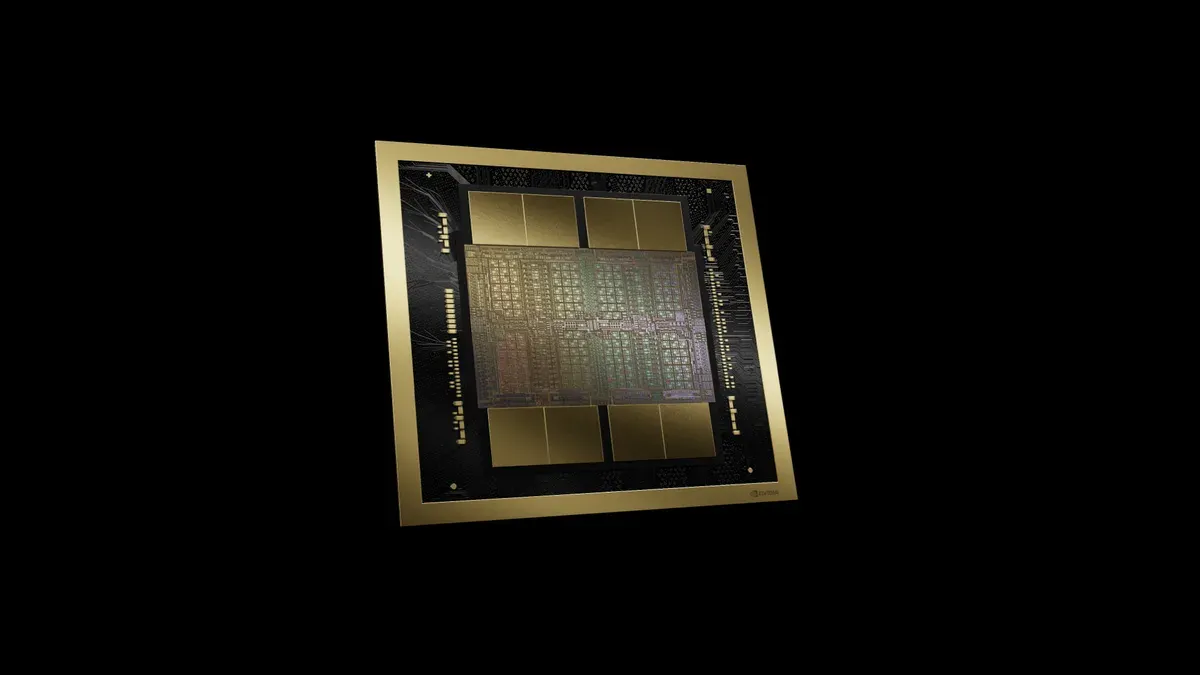
Groq announced a $350 million funding round on Monday that sets a $3.5 billion valuation, half the $6.9 billion it reached in September 2025. That peak came before Nvidia licensed Groq's chip technology and hired away founder Jonathan Ross. Dallas-based Disruptive leads the round, with Nvidia expected to participate. The proceeds fund the Groq neocloud pivot: a former chipmaker now selling AI inference by the token from data centers built around Nvidia hardware.
The valuation reset is a blunt measure of how quickly the AI market has consolidated in less than a year. Groq was widely regarded as Nvidia's most credible challenger in inference silicon, and the company that triggered its decline is now expected to appear on the Series A cap table. Nvidia paid roughly $20 billion to license Groq's language-processing-unit technology and to bring founder Jonathan Ross and much of his key staff in-house, a transaction that reshaped both businesses.
Leadership changed hands along with the technology. Co-founder Doug Wightman is now chief executive, and the company he runs has two parts: the Groq 3 LPU, an inference chip designed to work in tandem with Nvidia's Rubin GPUs, and GroqCloud, the service that charges developers per token for access to that compute. The San Francisco-based company says it processes trillions of tokens every week for millions of developers.
The timing is compressed. Groq's $6.9 billion valuation dates to September 2025, and less than a year later the restructured company is raising its first Series A under the neocloud model at $3.5 billion.
The neocloud label fits what Groq has become: a provider that sells AI inference by the token from accelerators it operates, a model closer to cloud services than to chip sales. The company now describes itself as an AI infrastructure business, and that identity is the frame investors were asked to price.
Inside the Groq neocloud pivot
GroqCloud is the center of the new business model. Racks holding 256 accelerators, spread across 13 data centers worldwide, mix Groq 3 LPUs with Nvidia Rubin GPUs. Nvidia's Dynamo software routes inference and training workloads across the two chip families, positioning the LPU as a specialized coprocessor inside an Nvidia-managed fleet.
The technical arrangement maps onto the business model. The Groq 3 LPU is built for inference, the part of an AI workload where a model generates a response, and it was designed to pair with Rubin GPUs so that large language models run more efficiently across the combined fleet. Dynamo, Nvidia's workload orchestration layer, decides which jobs go to which accelerators, which lets Groq offer training and inference on a single platform.
The LPU is the thread that runs through the entire story. The Groq 3 chip is optimized for AI inference, and its technology is what Nvidia licensed for $20 billion; the same chip now sits inside GroqCloud racks alongside Rubin GPUs, so Nvidia's equity stake in Groq is an investment in a company running the technology it already bought.
The capacity plans tied to this round are aggressive. Groq intends to grow its cloud footprint from 57 megawatts today to more than 200 megawatts within the next year, a roughly 3.5x increase that will demand new data center space and a steady supply of Rubin GPUs. That expansion is the company's growth story now, and the proceeds of this round are earmarked for the build-out.
A side-by-side view of the Groq neocloud pivot makes the shift concrete.
| Metric | September 2025 | August 2026 |
|---|---|---|
| Valuation | $6.9 billion | $3.5 billion |
| Chief executive | Jonathan Ross | Doug Wightman |
| Core business | AI chip design | Inference neocloud with per-token pricing |
| Relationship to Nvidia | Competitor | Licensor, investor, hardware supplier |
The two columns price different companies. Last September's $6.9 billion valuation reflected investor belief that Groq's LPU could undercut Nvidia on inference speed and cost. The $3.5 billion figure values a business that keeps its own chip while the platform layer, the software stack, and the data center economics sit with Nvidia.
The money has a clear destination. Groq has said the proceeds will fund the expansion of its Nvidia-powered data center footprint, the core of the neocloud strategy: more capacity means more tokens to sell, and more tokens mean more revenue under the per-token pricing that now defines the business.
A valuation reset of this size carries consequences beyond the headline. The new price becomes the reference point for future financings, and it tells investors how the restructured business is valued relative to the chip-challenger story of 2025.
The round is structured as a Series A, an unusual label for a company that had reached a $6.9 billion valuation, and it signals that the Nvidia deal created a new business from the old one. What investors are pricing now is the cloud operator.
Disruptive, the Dallas-based investment firm leading the round, is buying into the neocloud story at a reset price. Leading a Series A at $3.5 billion gives the firm a large position in a company with a funded growth plan, and Nvidia's expected participation changes the risk picture, since the dominant AI hardware vendor now holds a direct stake in Groq's success.
The strategic logic of the investment is direct. Groq's growth depends on Rubin GPUs and Dynamo software, so an equity stake ties the cloud operator's expansion to demand for Nvidia's own stack, and it gives the two companies a shared incentive to make the mixed fleet work at scale.
Operational scale is the other barrier to entry. Thirteen data centers and racks of 256 accelerators take years and billions of dollars to assemble, and Groq now has the capital and the supplier relationship to add capacity faster than most rivals. That combination, with the LPU's inference speed attached, is what the neocloud is selling.
The template for independent silicon
The Groq neocloud pivot is becoming the template for what happens to independent silicon ambitions in the AI boom. Nvidia's position has moved from selling chips to controlling the full stack: GPUs, interconnect, orchestration software, and now the clouds that rent out the compute. Groq is the largest and most symbolic case so far of a chip startup folding into that stack.
The sequence of transactions tells the story. Nvidia licensed the LPU technology for $20 billion, hired Ross and much of his team, and then invested in the round that priced what remained. Each step pulled a former competitor closer: Groq contributed the technology and the talent, and the business that survives now buys Nvidia hardware and software to run its cloud.
For founders raising money to build rival accelerators, this round changes the reference point. Groq's own experience is the comparison investors will reach for: a $6.9 billion valuation as a chip challenger, then a $3.5 billion valuation as a partner that licenses its intellectual property to the market leader and rents out the leader's hardware.
The takeaway for the broader inference market is that differentiation has moved up the stack. With Groq's LPU now a complement inside Nvidia-managed fleets, the remaining levers for AI infrastructure providers are software, service, and access to accelerators, and each of those levers runs through the same dominant vendor.
For developers on GroqCloud, the practical effect is continuity. The LPU service keeps running alongside the Rubin-based capacity, and the expansion from 57 to more than 200 megawatts means more compute available under the same per-token model.
Why this matters
The startup that once led the charge against Nvidia in inference chips now runs an Nvidia-based cloud, and its valuation was cut in half along the way. The pattern across this deal, from the licensing agreement to the talent transfer to the equity stake, is Nvidia consolidating control of each layer of the AI stack. For anyone building on or investing in AI infrastructure, the Groq neocloud pivot is the clearest available measure of what independent silicon is now worth.
Related Articles
- Nvidia Nebius Investment: 9.3% Stake in Neocloud Platform Signals Strategic Shift
- Google's $150B Anthropic Chip Financing Machine Beats Nvidia on Borrowing Costs
- Super Micro Computer Equity Raise Targets $7 Billion to Fund AI Server Backlog
✔Human Verified
Researched and cross-referenced against primary sources by the Bytevyte editorial team. This article was generated with the assistance of artificial intelligence and reviewed by the Bytevyte editorial team.