Windows 11 Memory Changes Drive Claimed 20% Responsiveness Gain
Microsoft says Windows 11 is up to 20% more responsive, driven by Windows 11 memory changes that keep more data in RAM on 8GB PCs.


Our weekly tech roundup covers memory-driven price rises, iPhone Duo pre-orders, Meta Muse privacy findings, TP-Link lawsuits and console sales declines.
Apple HomeView is a $299 smart display shipping November 13, launching with a $149 HomePod mini 2 and a $299 Apple TV 4K.
Google DeepMind and GovTech Singapore are building an on-device scam detection model on Gemma that screens Android chats without cloud uploads.
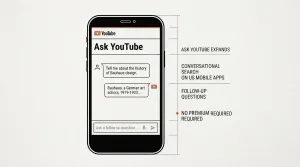
YouTube brings Ask YouTube conversational search to US mobile apps, with follow-up questions and no Premium requirement. Details inside.
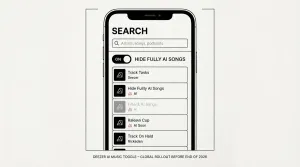
Deezer will add an on/off toggle that hides fully AI-generated music from search results, rolling out globally before the end of 2026.
Netflix is reportedly preparing an ad-supported plan at $7-9 per month, expected to launch in late 2026 in at least six markets. Netflix has not confirmed.
Apple's iPhone Duo pre-orders open October 16 at $1,999, with October 23 release and limited launch supply. Compare options before ordering.
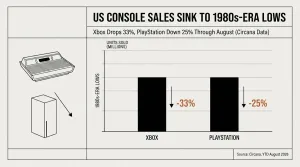
US console sales fell to 1980s-era lows in 2026, with Xbox units down 33% and PlayStation down 25% through August, per Circana data.
Lawson disclosed a Lawson ID breach affecting up to 2,155,345 records. Here is what was exposed and what affected users should check now.
Xbox CEO Asha Sharma says Project Helix, the next-gen Xbox, will be a family of devices including a console and partner handheld.
Qualcomm CEO Cristiano Amon says AI companies want phones running 100-billion-parameter AI models continuously by 2028, versus today's 30B limit.
Intel and Qualcomm have raised PC processor prices, with Panther Lake up 15-20% and Snapdragon X up about 10%. AMD's increase is still unconfirmed.
Telegram Money wallet rolls out beyond its limited group for Gram transfers, while the old Wallet becomes Walt with balances unchanged.
Meta Muse builds hourly dossiers on users and their contacts, including non-users who cannot opt out. Here is what TIME's investigation found.