
RTX Spark Laptops Launch This Fall: NVIDIA's Superchip Comes to ASUS, MSI, and More
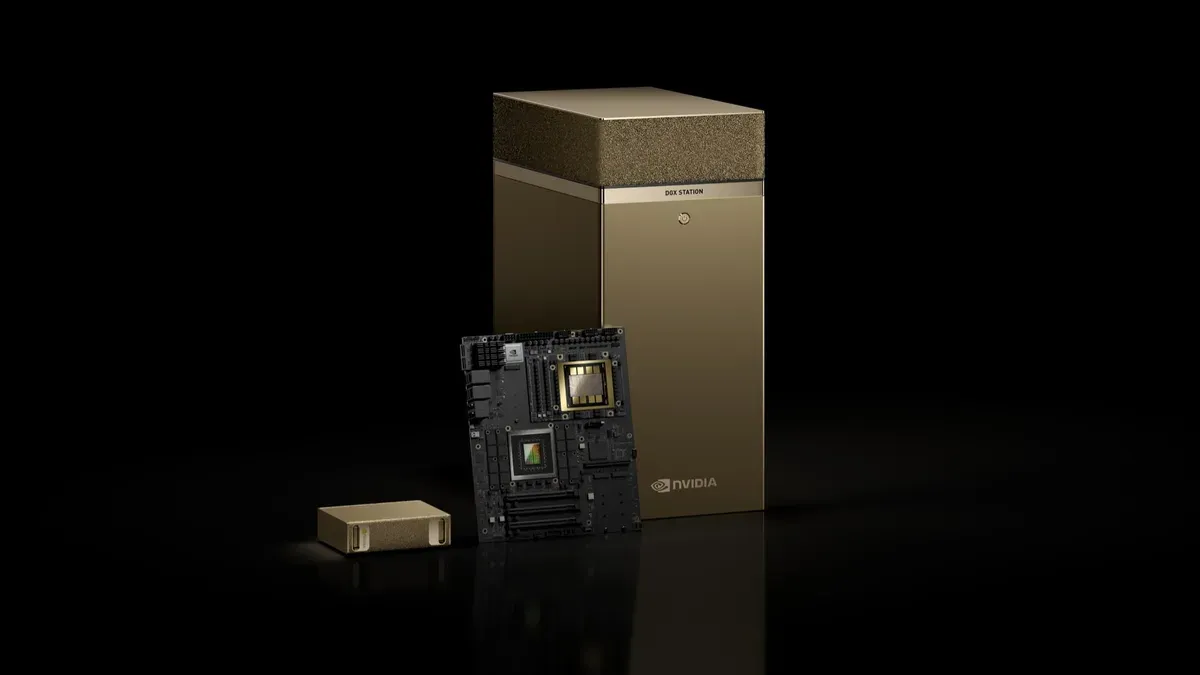
NVIDIA is preparing to ship its first consumer Arm-based superchip in laptops this fall, with at least eight confirmed designs from ASUS, Dell, HP, Lenovo, Microsoft Surface, and MSI hitting the market in the coming months. The RTX Spark platform, unveiled at Computex 2026 in early June, fuses a 20-core Grace CPU with a Blackwell RTX GPU on a single piece of silicon. It is a first for NVIDIA's consumer lineup and promises to reshape expectations for what slim Windows laptops can do.
What Powers the RTX Spark
The chip sits at the center of what NVIDIA calls a superchip. It pairs a 20-core Arm-based Grace CPU with a Blackwell RTX GPU that carries up to 6,144 CUDA cores, linked through a high-speed NVLink-C2C interconnect. The platform supports up to 128 GB of unified LPDDR5X memory, letting the system treat the entire pool as a single resource for both CPU and GPU tasks.
NVIDIA rates the RTX Spark laptops at up to one petaflop of AI performance at FP4 precision. That figure puts on-device large language model inference and local AI agent execution within reach of a laptop for the first time. On the gaming side, early demonstrations showed the chip running Alan Wake 2 natively at 1440p with frame rates above 100 FPS, aided by DLSS upscaling and ray tracing.
NVIDIA developed the superchip in collaboration with MediaTek, targeting a family of system-in-package designs. The top-end NX1 variant includes the full 20 CPU cores, the 6,144-core GPU, and the maximum 128 GB memory configuration.
Which RTX Spark Laptops Are Confirmed
Eight devices have been named for the first launch wave, with more than 30 total designs expected across the broader ecosystem.
- Microsoft Surface Laptop Ultra (15-inch, mini LED PixelSense Ultra display, 2,000-nit peak brightness)
- ASUS ProArt P16 and ProArt P14
- Dell XPS 16 Creator Edition
- HP OmniBook X 14 and OmniBook Ultra 16
- Lenovo Yoga Pro 9n
- MSI Prestige N16 Flip AI+
MSI described its Prestige N16 Flip AI+ as a premium convertible that combines the full NVIDIA AI platform with comprehensive RTX technology and efficient power management. Acer and Gigabyte have confirmed they will follow with their own models after the initial launch window.
The hardware is being built around thin, machined-aluminum chassis. NVIDIA is targeting designs as slim as 14 mm and as light as three pounds, with tandem OLED displays appearing across multiple models from different manufacturers.
Pricing and Availability
The first RTX Spark laptops are expected to ship starting in September 2026 from the first wave of partners. NVIDIA has not published official pricing, but industry estimates place starting prices in the $2,500 to $3,000 range for the initial premium-tier models.
NVIDIA is also showing the platform at SIGGRAPH 2026 this week, where the company is positioning it for AI development, creative work, and gaming in ultra-efficient form factors. The company demonstrated Alan Wake 2 running natively on an RTX Spark laptop at the show, with performance levels that rival dedicated mid-range gaming laptops.
How the Platform Compares
The superchip puts NVIDIA in direct competition with Qualcomm's Snapdragon X series, Apple's M-series chips, and the traditional Intel and AMD x86 laptop processors. Unlike those platforms, the RTX Spark integrates a high-end discrete-class GPU on the same package, which gives it a significant edge in both gaming and local AI workloads.
Running Windows on Arm, the RTX Spark uses the Prism emulation layer to handle x86 applications. Early reports indicate native Arm support is available for key titles like Alan Wake 2, while emulated apps may see performance variances depending on compatibility.
The unified memory architecture with up to 128 GB also sets the RTX Spark apart from most current laptop platforms, which typically cap system memory at 32 GB or 64 GB. For users running large language models locally or working with high-resolution creative assets, that headroom could be the deciding factor.
NVIDIA has framed the platform as the world's first Windows PCs purpose-built for personal AI agents. These are autonomous programs that can write code, generate assets, and execute tasks on the device itself without requiring a cloud connection. The petaflop-level AI performance and unified memory make that use case feasible on a machine small enough to fit in a backpack.
Why This Matters
For consumers, the RTX Spark is a genuine category shift rather than an incremental spec bump. A laptop under 15 mm thick that can run AAA games at 100 FPS, handle 128 GB of unified memory for AI workloads, and execute local agents without a cloud connection collapses several device categories into one product. The fall launch window will reveal whether the first wave of systems can deliver on those promises at the rumored price point, but the platform itself signals that the line between thin-and-light notebooks and desktop-replacement machines is about to blur significantly.
Related Articles
- NVIDIA and MediaTek Launch RTX Spark Superchip for Next-Gen Arm Laptops
- Microsoft Unveils Surface Laptop Ultra Powered by RTX Spark Superchip
- ASUS Debuts Zenni Claw AI Assistant and RTX Spark ProArt Laptops at Computex 2026
✔Human Verified
Researched and cross-referenced against primary sources by the Bytevyte editorial team.